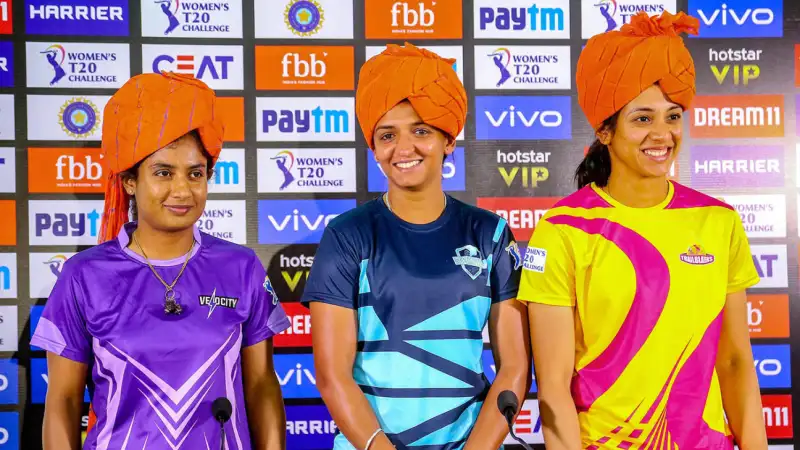
Women's T20 Challenge: A Step Towards Equality
The Womens T20 Challenge has become more than a short tournament; it is a visible gesture toward correcting long-standing imbalances within cricket. Launched as a compact event alongside the men’s Indian Premier League, the competition has offered a platform for elite Indian and international women cricketers to perform under intense public scrutiny and in front of vast stadium crowds and broadcast audiences. This visibility matters for inspiring future generations and for changing perceptions about womens sport in India.
Visibility and Opportunity
The T20 formats appeal lies in its pace and accessibility, and when applied to womens cricket it quickly draws attention. The Womens T20 Challenge has given domestic players the rare chance to compete with and against international stars, accelerating their learning curve. For selectors, sponsors, and broadcasters, the tournament acts as an audition: performances here can fast-track players into national squads or lucrative contracts. Beyond individual careers, the tournament signals to administrators and investors that womens cricket can generate commercial interest and passionate followings.
Impact on Grassroots and Talent Pathways
One of the silent benefits of a televised womens tournament is its catalytic effect on grassroots participation. Young girls watching high-quality matches on television or attending games in person gain tangible role models. Cricket academies and state associations are more likely to allocate resources when they see pathways that lead from local competitions to national or franchise stages. The T20 Challenge, therefore, operates as a bridge: it connects community-level aspirations with elite performance opportunities, encouraging investment in coaching, fitness, and infrastructure for girls teams.
Changing Mindsets and Cultural Barriers
Sport is often a mirror of society, and increased exposure to womens cricket challenges entrenched stereotypes about gender and athleticism. Families and communities that once prioritized conventional paths for young women can begin to accept sport as a viable pursuit. Media narratives around the T20 Challenge, when framed around skill, strategy, and athletic excellence rather than novelty, help normalize the idea that womens sport is both serious and deserving of respect. That shift in narrative plays a crucial role in long-term cultural transformation.
Commercial Viability and Professionalization
For sustainable progress, commercial interest is essential. The Womens T20 Challenge has demonstrated that sponsors and broadcasters will back womens events when they are packaged professionally and marketed effectively. Increased prize money, contractual stability, and better match-day conditions contribute to professionalization, allowing players to focus full-time on cricket. When cricket becomes a dependable career option, it elevates standards of training, fitness, and competitive performance, creating a virtuous circle of improvement and investment.
Despite these positives, challenges remain: the tournament has historically been short and limited in the number of participating teams, which constrains opportunities for a wider pool of talent. Expanding the tournament structure, aligning it with domestic schedules, and ensuring equitable pay and resources are necessary next steps. Moreover, sustained media coverage across the calendar year will keep public interest alive beyond a handful of marquee matches. Building a stronger pipeline means more leagues, more exposure for younger players, and deliberate policies to integrate womens cricket into the broader sporting ecosystem.
Ultimately, the Womens T20 Challenge is a symbol and a practical tool. It symbolizes an institutional willingness to invest in womens sport and provides a tangible platform for athletes to prove their worth. The most meaningful progress will come when the tournaments spirit translates into permanent structures: expanded leagues, better pay, comprehensive grassroots programs, and sustained media attention. In that sense, the T20 Challenge is a significant step on a longer journey toward equality, offering a glimpse of how sport can accelerate social change and create lasting opportunities for women across India and beyond.