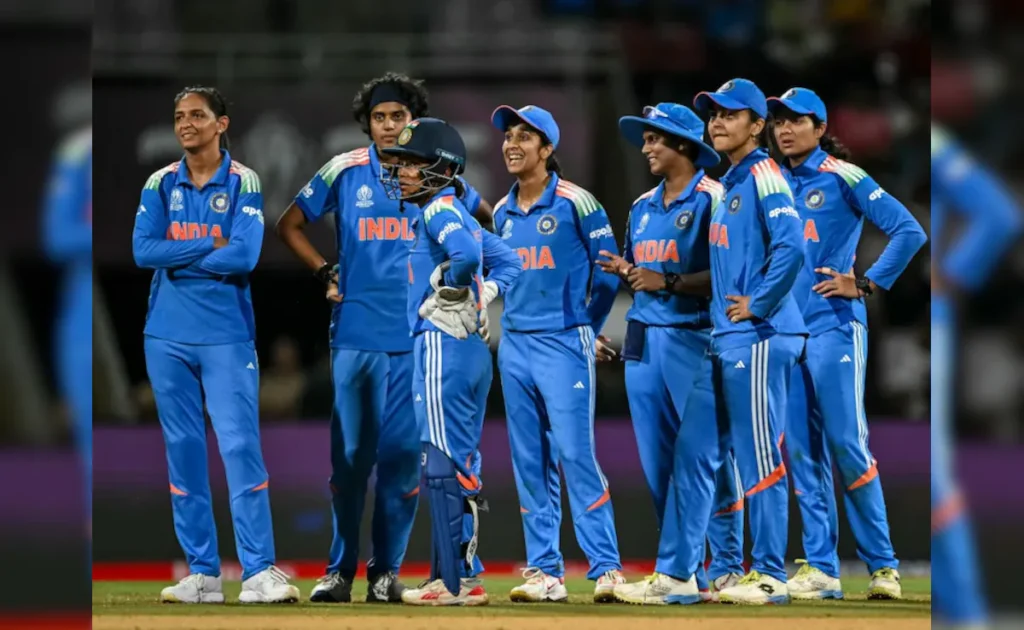
Women’s Cricket World Cup: India’s Journey
India’s participation in the Women’s Cricket World Cup has been a story of steady evolution, dramatic moments, and growing ambition. From early appearances to recent breakthroughs, the team has navigated challenges on and off the field, building a culture that now aims to convert potential into trophies. This review examines India’s performances across tournaments, highlights defining matches and players, and outlines aspirations for future World Cups.
Early years and gradual rise
India first made an impact on the global stage with gritty, underdog performances that gradually earned respect. Early squads lacked the institutional support enjoyed by some rivals, yet players displayed technical skill and resilience. Landmark campaigns brought attention at home and abroad, laying a foundation of experience that would be crucial in later editions. Coaching, domestic structures, and grassroots interest began to improve, creating a pipeline of talent that would eventually change expectations.
Memorable tournaments and turning points
Certain World Cups stand out in India’s journey. Matches where batting depth rescued totals, or where disciplined bowling upset stronger teams, became part of cricketing lore. The team’s run to the final in one edition galvanized a nation and inspired a new generation of cricketers. Individual performances—half-centuries, match-winning spells, and courageous fielding—highlighted the squad’s ability to perform under pressure. These turning points showcased progress from occasional surprises to consistent competitiveness.
Key players and leadership
India’s progress has been driven by players who combined talent with temperament. Captains who led by example, veterans who mentored younger teammates, and emerging stars who seized big moments all played defining roles. Batters who anchor innings, finishers who accelerate scoring, and bowlers who exploit conditions formed a balanced core. Leadership transitions were sometimes testing, but strategic selections and a growing focus on fitness and mental preparation created a more resilient unit capable of adapting to varied World Cup pressures.
Strengths, weaknesses, and tactical evolution
India’s strengths often include technically sound batting at the top order, clever spin options, and fielding standards that have improved markedly. Weaknesses—such as occasional middle-order fragility or inconsistency in the seam bowling department—have been targeted through specialized coaching and international exposure. Tactically, teams have evolved to embrace aggressive powerplay strategies, rotate the strike effectively, and use analytics to inform match-ups. These adjustments reflect a modern approach to tournament cricket.
Aspirations for future tournaments
Looking forward, India’s goals are clear: to win the Women’s Cricket World Cup and establish sustained dominance across formats. Achieving this requires deeper bench strength, continued investment in youth development, and exposure to high-pressure matches. Emphasis on fitness, psychological resilience, and scenario-based training will help players execute plans under duress. Greater experience in overseas conditions, especially in seaming and swinging environments, will be crucial for tournament success.
Building a culture for success
Beyond tactics and talent, building a winning culture requires institutional backing: better domestic scheduling, professional contracts, and pathways for emerging talent. Mentorship from retired legends and progressive coaching philosophies can accelerate growth. Encouraging leadership at multiple levels ensures that responsibility is distributed, and players emerge ready to perform when opportunities arise. Fan engagement and media support also fuel motivation and national pride.
India’s journey in the Women’s Cricket World Cup is not defined by a single match but by continuous progression, resilience, and ambition. Each tournament reveals lessons and opportunities, and the squad’s evolution signals a team intent on closing the gap with the very best. With strategic planning and sustained investment, India can transform promising campaigns into a legacy of championship success, inspiring future generations to carry the flag even higher.