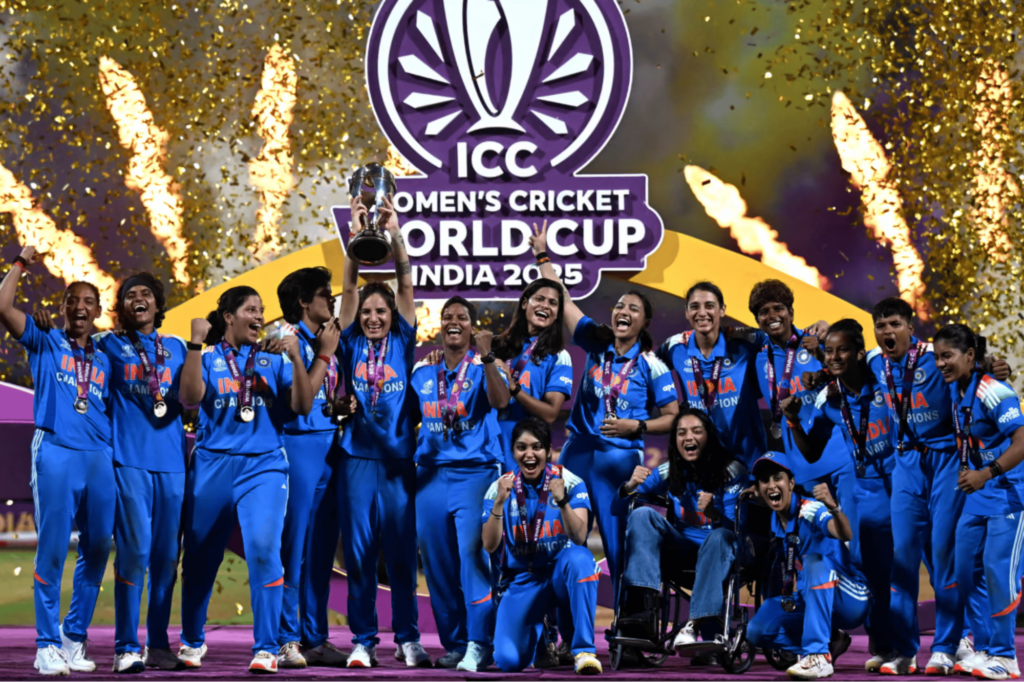
Women’s Cricket: Breaking Stereotypes and Making History
Women’s cricket in India has undergone a transformation over the past decade, shifting from marginal visibility to national conversation. The achievements of players on the field have begun to dismantle long-standing stereotypes about gender and sport, while their persistent advocacy off the field has pushed institutions toward greater recognition and support. This article highlights the landmark moments, the individual stories of grit, and the collective struggle that has elevated women’s cricket in India to a place of enduring respect.
A New Era for Women’s Cricket in India
Historic performances by Indian women cricketers have captured public imagination and rewritten record books. From dramatic World Cup runs to dominant performances in bilateral series, players such as Mithali Raj, Jhulan Goswami, Harmanpreet Kaur and Smriti Mandhana have become household names. Their centuries, hat-tricks, and decisive captaincies are tangible proof that talent has always existed; what changed was opportunity and visibility. Increased television coverage and social media amplification have turned moments on the pitch into cultural touchstones, inspiring girls from towns and villages across the country to pick up a bat or ball.
Breaking Records, Building Legacies
Statistical milestones are only one measure of progress. India’s women have set records in runs and wickets, but they have also invested in creating institutions — domestic leagues, academies and mentorship programs — that will sustain future generations. Initiatives such as the Women’s T20 Challenge and state-level competitions have expanded pathways for talent to flourish. Young cricketers now see professional careers as achievable, which has led to increased participation and better infrastructure. The ripple effects extend beyond sport, challenging expectations about women’s public roles and economic independence.
Moreover, grassroots programs led by former players and NGOs are identifying talent in rural regions, providing coaching, nutrition and academic support. These initiatives bridge socio-economic gaps and allow girls who lacked access to facilities to train competitively. Growing networks of scouts and academies increase the diversity within squads and strengthen national talent pipelines.
Fighting for Recognition: Challenges Off the Field
Despite progress, the journey toward equality has been uneven. Women cricketers have battled for equitable pay, professional contracts, and access to the same facilities afforded to their male counterparts. Media biases and sponsorship disparities continue to make financial stability precarious for many. Off-field struggles have included advocating for administrative reforms and confronting social attitudes that prioritize men’s sports. Yet, these challenges have also galvanized players and supporters to demand systemic change through collective bargaining, public campaigns, and legal recourse.
Representation, Role Models and the Road Ahead
Representation on and off the field matters. When girls watch players address crowds, negotiate endorsements, or found academies, they internalize a different set of possibilities. Stars who mentor emerging talent amplify this effect, and mainstream media slowly catching up means those role models become part of everyday conversation. Education programs that pair cricket with life skills and leadership training are helping to create well-rounded athletes who can advocate for their rights.
Change in Indian women’s cricket has not been linear, but it has been decisive. Victories on the scoreboard and victories in courts and conference rooms have combined to build momentum. As sponsors commit more resources and administrators answer calls for fairness, the sport becomes more accessible and sustainable. The stories of individual perseverance, whether a bowler from a small town breaking into the national team or a captain using her platform to demand equal facilities, remind us that history is made through both spectacular moments and steady persistence. With every boundary and every policy shift, women’s cricket in India writes a new chapter that challenges norms and offers a bold promise for the future.