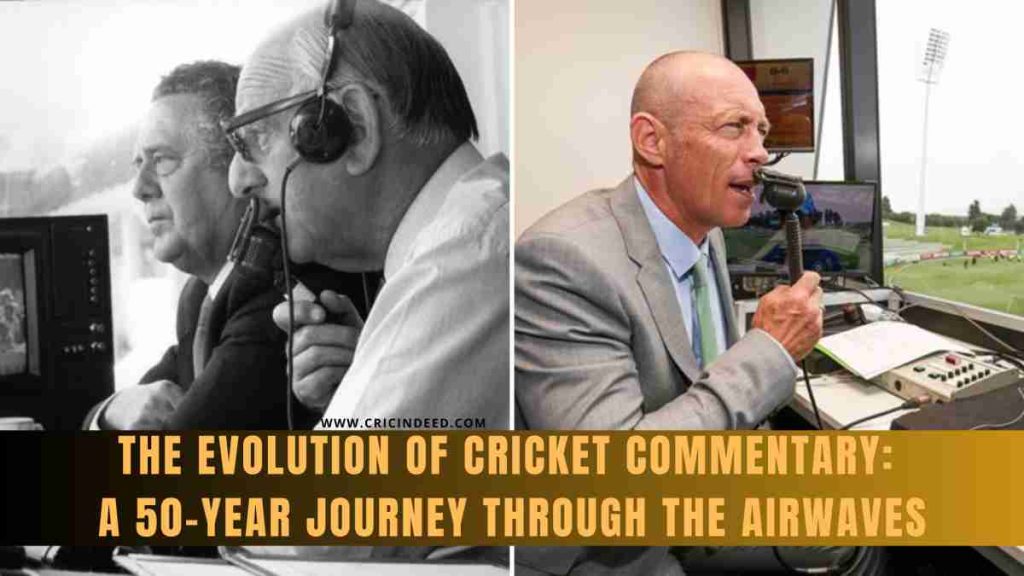
The Evolution of Cricket Commentary in India
Cricket commentary in India has transformed from simple, factual descriptions to a rich, multi-layered storytelling experience that shapes how millions perceive the game. Once limited to radio waves and terse statements, commentary now blends play-by-play analysis, historical context, fan engagement and entertainment. This evolution reflects broader changes in technology, audience expectations and the business of sports broadcasting.
Early days: radio roots and vivid imagination
In the early decades, radio was the primary medium. Commentators were tasked with painting vivid pictures for listeners, describing every delivery and subtle movement so audiences could visualize the match. The style emphasized imagery and rhythm, with carefully chosen words to evoke atmosphere—sun glare on the pitch, the hush before a big delivery, or the roar after a boundary. Those hours of evocative narration built an intimate relationship between commentator and listener.
The rise of iconic voices
Certain voices became synonymous with cricket itself. Their tone, timing and vocabulary shaped public memory of landmark matches. These personalities often balanced objectivity with affectionate national pride, becoming trusted guides who could contextualize a player’s performance within cricket’s broader narrative. Many early commentators were former players or journalists, lending credibility and first-hand insight.
Television era: visuals meet analysis
Television brought a radical shift. With viewers able to see the action, commentary pivoted from pure description to analysis. Pundits began explaining tactics, reading bowlers’ grips, and breaking down batsmen’s footwork. Replays, slow motion and graphics allowed commentators to highlight nuances previously unnoticed. The voiceover transformed into a companion to visuals, helping audiences understand the game’s technical layers and dramatic turning points.
Personality and entertainment
As TV broadcast became central, entertainment values grew. Catchphrases, banter between co-commentators, and light-hearted moments were woven into broadcasts to maintain viewer interest during slow periods. The chemistry between commentators became as important as their expertise, and production teams started shaping narratives to enhance drama and emotional engagement.
Digital revolution: interactivity and diversity
Streaming platforms, social media and real-time statistics introduced new dynamics. Fans now expect insights backed by data—wagon wheels, expected runs, heat maps and predictive metrics. Simultaneously, social platforms enable instant feedback, memes and live polling which influence how commentary is received and sometimes even how it is presented. Podcasts and online shows expanded the landscape, offering long-form discussions and alternative viewpoints beyond mainstream broadcasts.
New voices and inclusivity
The commentator pool has broadened, with former players from diverse backgrounds, data analysts, journalists and even fan commentators gaining visibility. Women commentators and regional-language broadcasts have made the game accessible to wider audiences, reflecting India’s linguistic and cultural diversity. This plurality enriches the narrative and introduces fresh perspectives on tactics, temperament and context.
Challenges and ethical considerations
With greater reach comes responsibility. Commentators must balance entertainment with accuracy, avoid bias, and be mindful of cultural sensitivities. The pressure of instant reactions can lead to misstatements or overzealous takes. Ethical broadcasting standards and fact-checking are increasingly important to maintain credibility and respect the players and fans alike.
Looking ahead, cricket commentary in India will likely continue adapting—merging immersive technologies like augmented reality and enhanced data visualizations with the human art of storytelling. Regardless of tools, the heart of great commentary remains the same: to deepen the viewer’s connection to the game, translate complexity into clarity, and celebrate the moments that make cricket a shared cultural experience across generations.