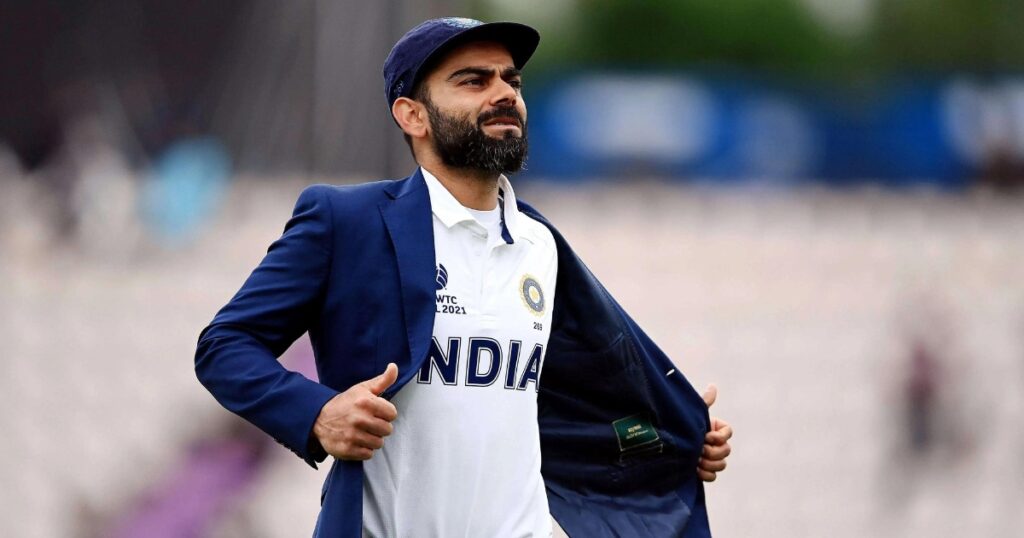
Virat Kohli's Captaincy: A Legacy of Leadership
Virat Kohli’s tenure as a leader reshaped the Indian cricket team’s identity, blending intensity, precision and an uncompromising demand for excellence. His leadership was defined less by a single tactical innovation and more by a sustained cultural shift that emphasized fitness, professionalism and aggressive intent. Teammates, opponents and fans alike noticed how his standards created cascading effects across batting, bowling and fielding departments, forcing the entire squad to elevate performance and accountability.
Setting High Standards
Kohli insisted on professional habits that became non negotiable. Training intensity, dietary discipline and a fitness-first mindset were hallmarks of his captaincy. He modelled these behaviors through personal example, making it clear that selection and longevity would reward preparation as much as raw talent. The message was simple: the modern game rewards those who prepare meticulously and maintain peak physical condition.
Leading by Example
A key strength of Kohli’s leadership was his consistency on the field. Relentless in pursuit of runs and often the emotional axis for the team, he demonstrated that leadership could be embodied through performance as well as rhetoric. His on-field aggression translated into positive pressure for opponents and served as a psychological asset for teammates who learned to respond to tense moments with belief rather than anxiety.
Tactical Clarity and Adaptability
While widely perceived as an emotional leader, Kohli also displayed tactical awareness. He promoted flexible batting orders, encouraged proactive field placements and supported young bowlers to execute plans without fear of immediate judgment. Adaptability under his captaincy was visible in how India approached different formats, balancing intense competitiveness in Tests with inventive aggression in limited overs cricket.
Developing Young Talent
Another lasting contribution was Kohli’s willingness to back youth. He provided platforms for emerging players to express themselves, often giving them extended runs that allowed potential to translate into consistent performance. This confidence instilled a sense of responsibility among younger squad members, accelerating their development and deepening the team’s talent pool.
Discipline in accountability was central to his captaincy. Players were expected to own mistakes and work transparently on improvement. Kohli’s direct feedback style could be confronting, but it fostered an environment where mediocrity was not tolerated. The cumulative effect was an increasingly competitive squad culture in which peer pressure reinforced professional standards.
Critics sometimes pointed to his intensity as a source of friction, arguing that his confrontational approach could divide dressing rooms. Yet many teammates credited Kohli with sharpening collective resolve and clarifying expectations. The trade off between emotional leadership and harmony reflects a broader question about contemporary sports leadership: whether relentless pursuit of excellence necessitates discomfort along the way.
Importantly, Kohli left an imprint beyond tactics and fitness. He helped normalize the idea that modern captains are cultural architects who shape preparation, mental approach and public image. Young athletes observing the team’s transformation came to understand leadership as both visible example and quiet curation of standards. That duality — performance plus culture — is perhaps his most enduring legacy.
As teams evolve, Kohli’s influence will be measured not just by trophies but by the professionals who now inhabit Indian cricket: fitter, more fearless and more accountable. His approach created a baseline expectation that future leaders will inherit, adapt and either refine or challenge. In doing so he helped propel Indian cricket toward a future in which excellence is the default and relentless ambition is the norm.
Future leaders must balance intensity with empathy, learning when to push and when to protect developing talent. By honoring Kohli’s standards while adapting his methods, they can ensure that the cultural shift he initiated endures, evolving into a sustained foundation for continued success globally.