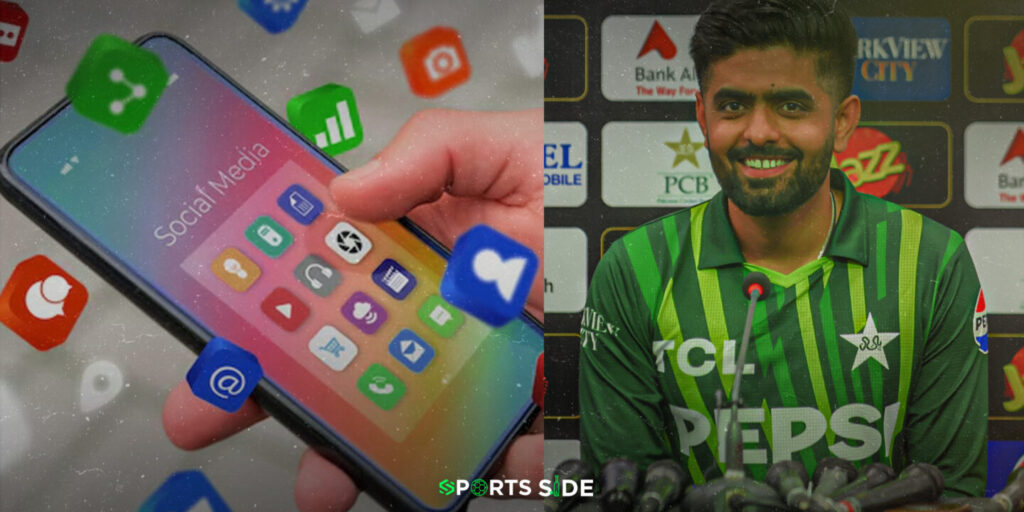
The Role of Social Media in Cricket
Social media has reshaped the landscape of cricket, turning a once one-way broadcast sport into a two-way conversation between players, teams and fans. Platforms like Twitter, Instagram, TikTok and YouTube have become arenas where moments are created, stories are amplified and relationships are built in real time. This shift has not only altered how fans consume the game, but how cricketers manage their personal brands, engage with supporters and influence the promotion of cricket worldwide.
From Broadcast to Conversation
Traditionally, cricket was experienced through live broadcasts, radio commentary and newspaper columns. Social media has turned that passive consumption into active participation. Fans react to last-ball finishes, share memes of fielding blunders and debate umpiring decisions within seconds. Players who once relied on interviews and press conferences now speak directly to their audience, offering behind-the-scenes glimpses, training routines and immediate post-match reflections. This immediacy fosters a feeling of proximity—fans feel closer to the game and the personalities within it.
Player-Fan Relationships Evolved
Cricketers today can cultivate a public persona beyond the boundary ropes. Personal posts showing life off the pitch—family moments, hobbies, training regimens—humanize athletes and create deeper emotional bonds with fans. Direct interactions such as replies, live Q&A sessions, and story polls give supporters a sense of being heard and valued. For younger audiences, the authenticity of a player’s social presence often matters as much as on-field performance, influencing loyalty and long-term engagement.
Promotion and Monetization Opportunities
Social media is a powerful promotional engine for cricket boards, clubs and leagues. Match highlights, feature clips and short-form content can reach millions at low cost, attracting new viewers and commercial partners. Influencers and cricketers collaborate on branded content, while clubs monetize through sponsored posts, affiliate links and exclusive subscriber content. The emergence of short-form platforms has also allowed cricketing moments—spectacular sixes, stunning catches—to go viral, creating new revenue streams and boosting the sport’s visibility in non-traditional markets.
Data, Analytics and Tailored Content
Platforms provide rich analytics that help teams and players tailor content to their audiences. Insights such as engagement rates, peak viewing times and demographic breakdowns inform social strategies and content calendars. This data-driven approach enables targeted campaigns that can promote grassroots initiatives, ticket sales and merchandise more efficiently. Additionally, social listening tools allow stakeholders to track sentiment, anticipate controversies and respond proactively to public discourse.
While the benefits are many, social media also introduces challenges: misinformation spreads quickly, athletes face intense public scrutiny, and the pressure to produce constant content can distract from performance. Governing bodies and franchises are increasingly developing social guidelines and media training to help players manage their digital presence responsibly. Time-tested values of sportsmanship and integrity remain crucial even as communication channels multiply.
Ultimately, social media is not a replacement for the essence of cricket, but a multiplier. It expands the sport’s reach, diversifies its audience and gives players a voice that can redefine their influence off the field. By combining compelling storytelling with strategic use of platforms and analytics, cricket can grow more inclusive and globally resonant—inviting fans into the narrative in ways that enrich the game and ensure its vibrancy for future generations.