The Role of Cricket Academies in India
Cricket academies across India have become crucial laboratories for identifying and shaping young talent, turning raw enthusiasm into professional potential. These institutions combine structured coaching, fitness regimes, and competitive exposure to accelerate development, often filling the gaps left by informal club cricket. For families and aspiring players, academies offer a roadmap: disciplined practice schedules, specialist batting and bowling coaching, and access to better facilities that can transform a promising youngster into a serious contender for state and national teams.
A national network of talent centers
Many academies are linked through regional networks that standardize coaching curricula and share scouting reports. Ex-players who run academies bring invaluable experience and serve as role models, helping youngsters navigate the psychological demands of elite sport. Success stories, from small-town prodigies to international stars, inspire new cohorts and validate academy methodologies. Sustained investment in coach education and facilities will decide if these networks democratize access.
The structure of modern academies
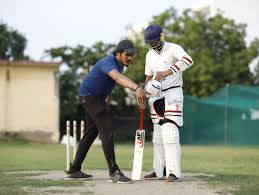
Most academies adopt tiered age-group programs with clear milestones. Beginners focus on basics like grip, stance, and fielding drills while older juniors move to advanced skill development, match simulation, and mental conditioning. Coaching teams are increasingly multidisciplinary: former players teach technique while physiotherapists, strength and conditioning coaches, and sports psychologists manage fitness and mindset. Regular assessment and video analysis allow coaches to tailor plans, correct technical flaws early, and track progress against performance benchmarks.
Coaching, technology and fitness
Technological tools have revolutionized training. High-speed cameras, wearable sensors, and ball-tracking systems provide objective data on stroke mechanics, release points, and bowling speed. Academies leverage analytics to identify strengths and weaknesses, designing drills that replicate match scenarios. Strength and conditioning programs are sport-specific, emphasising mobility, core strength, and injury prevention for young athletes. Nutrition plans and recovery protocols are integrated into daily routines, ensuring players maintain peak condition throughout long training cycles.
Pathways to professional cricket
Academies function as talent pipelines feeding district, state, and national selections. Regular intra-academy tournaments and inter-academy fixtures give players exposure to competitive pressure and scouting opportunities. Many academies maintain relationships with state associations and franchise scouts, helping standout players gain trials and selection for higher-level competitions. Scholarship programs and partnerships with schools reduce financial barriers, enabling gifted athletes from underprivileged backgrounds to access elite coaching and facilities.
Community impact and inclusion
Beyond elite pathways, academies contribute to community development by running outreach camps and grassroots initiatives. Mobile coaching clinics, talent hunts in villages, and free boot camps encourage participation among girls and boys who might otherwise lack access. Female-focused programs have expanded dramatically, producing a growing cohort of women cricketers who compete at national and international levels. By promoting inclusive practices, academies not only broaden the talent pool but also foster social change through sport.
Challenges and future directions
Despite progress, challenges persist. Uneven distribution of quality academies means rural regions can still be underserved, and short-term coaching camps cannot replace sustained long-term development. Ensuring ethical coaching standards, preventing burnout, and balancing academic education with intensive training remain pressing concerns. Funding and infrastructure gaps require collaboration between private academies, state boards, corporate sponsors, and the Board of Control for Cricket in India to create scalable models that prioritize holistic development over early specialization.
As the sport continues to professionalize, cricket academies will remain pivotal in shaping the next generation of Indian cricketers. Their evolving role—combining traditional mentorship with scientific training, talent identification with social outreach—creates ecosystems where potential can flourish. When academies invest not only in technique but in character, education, and community ties, they strengthen the foundations of the sport nationally, ensuring that India’s cricket future is both competitive and inclusive.