The Role of Coaches in Shaping Cricketing Futures
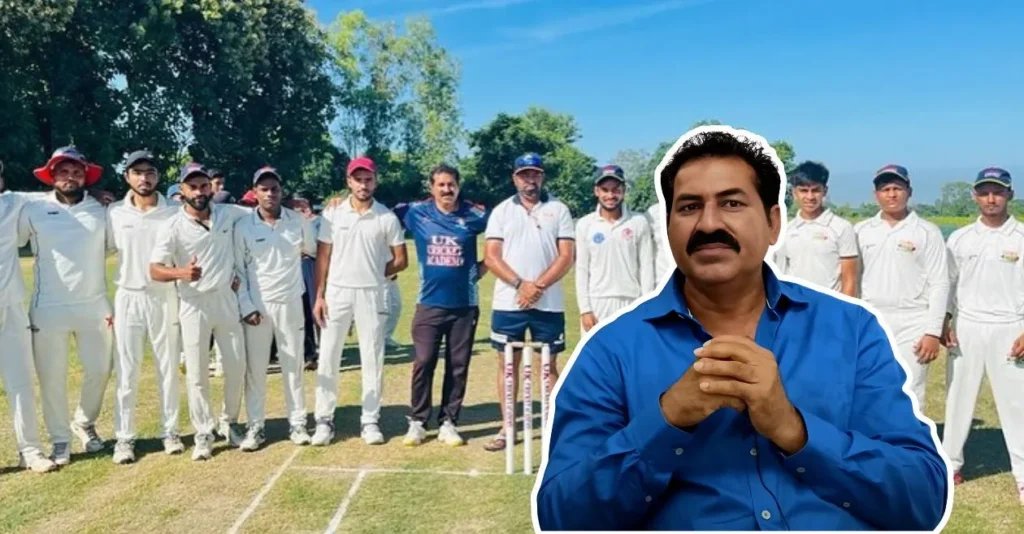
India’s cricketing fabric is woven not only from raw talent and passion but from the patient, deliberate influence of coaches who convert promise into performance. Across towns, villages and urban academies, coaches act as the bridge between aspiration and achievement, shaping technique, temperament and the long-term careers of young cricketers.
Importance of Coaching in India’s Grassroots
At the grassroots level, coaching provides structure where instinct once reigned. Young players learn basics—batting stance, seam position, bowling action—but they also absorb discipline: punctuality, fitness routines and game awareness. For many talented youngsters from disadvantaged backgrounds, a coach is more than a teacher; they are a guide who opens doors to trials, academies and scholarship opportunities. In a country as vast and competitive as India, a supportive coach can be the decisive factor that prevents talent from slipping away.
Shaping Technique and Mindset
Technical corrections are the most visible outcome of good coaching, but the psychological impact is equally significant. Coaches instill routines that build confidence—pre-match rituals, visualization techniques and focused practice sessions. They teach young players how to handle failure, how to learn from a bad innings or an expensive spell, and how to convert setbacks into learning moments. A coach’s feedback, when specific and constructive, helps a young cricketer replace guesswork with reproducible skills.
Talent Identification and Pathways
Coaches are frontline talent scouts. Their experience lets them spot raw potential in body mechanics, reflexes, and decision-making under pressure. Beyond identification, coaches map pathways: local leagues, age-group state teams, the National Cricket Academy, and ultimately the national side. Names like Ramakant Achrekar, who nurtured a young Sachin Tendulkar, and contemporary mentors who guide India A and U19 squads, show how individual mentorship can translate into national impact. The presence of experienced coaches in academies and state programs creates a continuum where promising players receive progressive challenges tailored to their growth.
Notable Coaches and Their Influence
India’s coaching landscape features a mix of former international players, specialized trainers and foreign experts who bring diverse philosophies. Coaches such as Rahul Dravid, Gary Kirsten, John Wright and Anil Kumble have each left distinct marks—whether by emphasizing technique, fitness, clarity of role, or tactical acumen. Their methods filter down through systems: state associations, academies, and IPL franchises. The Indian Premier League, with its high-caliber coaching staff and international mentors, has become a fast-track classroom where young cricketers learn situational awareness, adaptability and the pressures of professional cricket.
Modern coaching blends tradition and innovation. Video analysis, biomechanics, wearable sensors and data-driven insights complement classic drills. Sports psychologists and strength-and-conditioning coaches work hand-in-hand with batting and bowling coaches to create holistic programs. This multidisciplinary approach not only enhances on-field performance but extends players’ careers by prioritizing load management and injury prevention.
Community coaches and small academies remain the engines of inclusion, producing players who might otherwise never reach formal structures. Their proximity and cultural understanding allow them to mentor on issues beyond cricket—education choices, family expectations and financial planning—helping young athletes balance sport with life. When combined with institutional support from bodies like state associations and the NCA, grassroots coaching becomes a scalable model for producing well-rounded cricketers.
Ultimately, coaching in India is about more than winning matches; it is about building futures. The best coaches refine technique, nurture character and design pathways that give talented youngsters the best possible chance to succeed. Through patience, expertise and a commitment to holistic development, coaches continue to shape generations of cricketers who carry India’s hopes forward with skill and resilience.