The Role of Fan Culture in Indian Cricket
The fervor of Indian cricket fandom is not merely background noise; it actively shapes outcomes, identities, and the business of the sport. From packed stadiums to viral social media debates, fans influence everything from selection narratives to merchandising trends. Understanding that influence requires looking at emotional, economic, and cultural channels through which supporters interact with players, administrators, and the game itself.
The stadium as a living organism
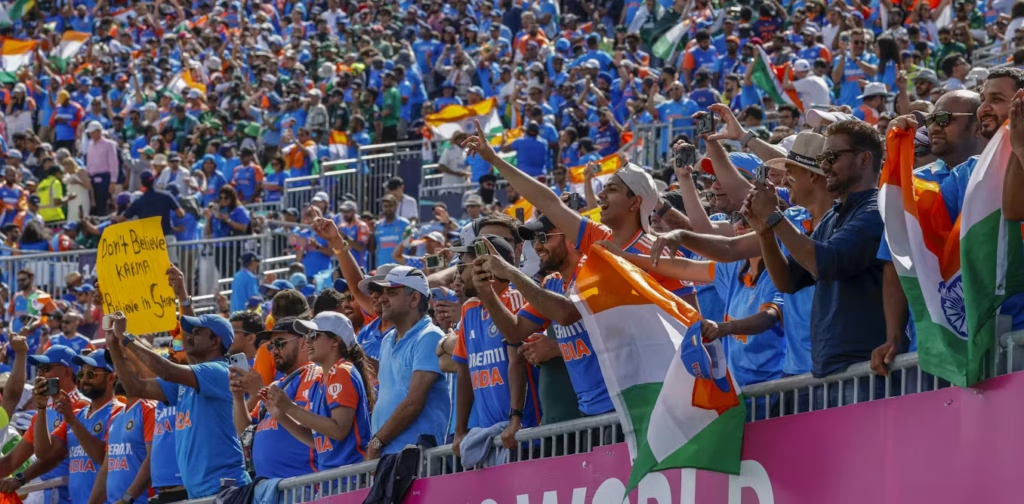
When fifty thousand voices chant in unison, the effect on players is tangible. Home advantage in India extends beyond familiarity with pitches; it is powered by an organized, sometimes improvised, supporter culture that dictates momentum. Chants, drums, banners and coordinated dressing create an atmosphere that can intimidate opponents or lift home players. The stadium becomes a space where players feed off adulation and respond with heightened aggression or composure depending on how they interpret the crowd.
Social media, opinion markets and player psychology
Beyond the boundary, social platforms amplify fan sentiments into persistent narratives. Platforms create real-time feedback loops where a single innings can be celebrated or vilified within minutes. This instant scrutiny affects selection discourse and contract valuations, shaping careers. For many players the digital public square is a double-edged sword: it offers fame and commercial opportunities, but also subjects performers to waves of abuse and unrealistic expectations that can influence performance and wellbeing.
Commercial impact and the Indian Premier League
The Indian Premier League epitomizes how fan culture converts into economic power. Franchises invest in player personalities because fans buy stories, not just statistics. Crowd favorites become brand ambassadors, attracting sponsorship and media focus that alter team strategies and recruitment. Merchandising, celebrity endorsements and stadium experiences all evolve from what fans demand, turning supporter preferences into measurable business decisions that reshape cricketing priorities across formats.
Tradition, rituals and local identities
Fan practices are rooted in local rituals and social identities, which helps explain regional allegiances that persist despite national loyalties. From terrace songs to street processions after a big win, rituals create continuity between generations. These expressions also influence talent pipelines; young players emulate idols lifted by fans and learn the cultural scripts that define how success is celebrated. The grassroots ecosystem therefore mirrors fan culture in ways that affect coaching, scouting and player aspirations.
Fans also act as informal accountability mechanisms. Persistent pressure can drive administrators to adopt reforms, expand infrastructure or address governance issues. Conversely, populist demands can sometimes crowd out long-term planning in favor of short-term rewards aimed at appeasing the largest vocal groups. The balance between responsive governance and principled stewardship is continually negotiated in public forums where fans hold significant sway.
Importantly, fan culture contributes to the emotional economy of cricket. Players internalize symbols, expect rituals before matches, and adapt their personas to fit the narrative that fans cherish. For some athletes this symbiosis fuels greatness; for others it becomes a burden that needs to be managed with psychological support and media training. As India’s cricket ecosystem professionalizes, recognizing the role of fans in shaping the mental and commercial dimensions of the sport will be central to sustainable development and healthier relationships between spectators and performers.
As digital fandom grows and stadium cultures evolve, stakeholders must cultivate constructive engagement that preserves passion while reducing toxicity. Initiatives like fan councils, responsible social media policies, mental health resources for players, and community outreach can channel fan energy into positive outcomes. When fans are seen as partners rather than merely consumers, cricket benefits: matches become richer spectacles, players enjoy more stable careers, and the sport sustains the cultural resonance that has made it a language across India and beyond.