The Evolution of Cricket Equipment: From Traditional to Modern
Cricket equipment has travelled a long road from handcrafted wooden tools to high-tech, performance-enhancing gear. Over the decades the sport has adapted to changes in materials science, manufacturing techniques and player demands, producing equipment that not only improves performance but also reshapes how the game is played. Observing this evolution reveals how safety, power and precision have become central to modern cricket without fully erasing the sport’s traditional roots.
Historical Beginnings of Cricket Gear
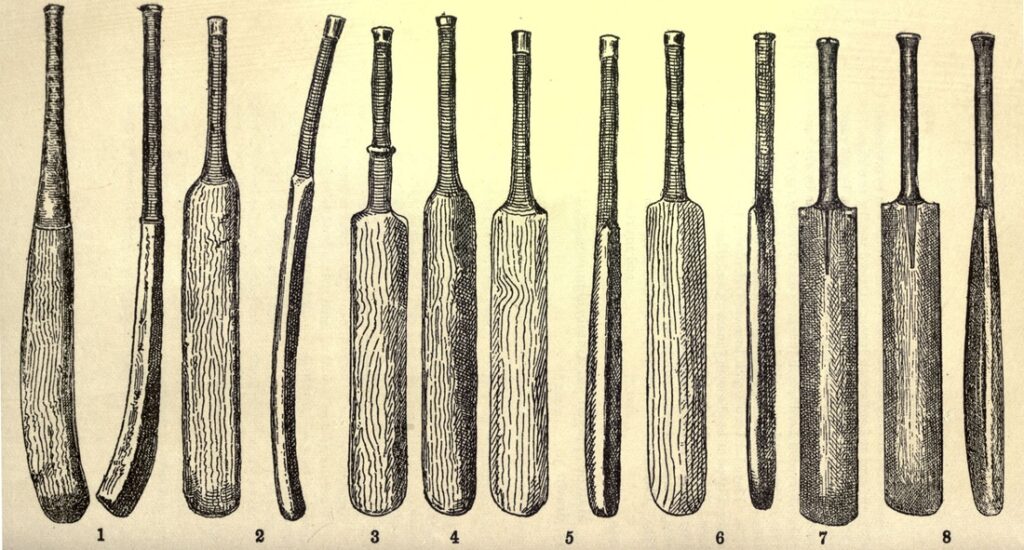
The earliest cricket gear was simple and functional: a heavy, often irregularly shaped willow bat and a leather ball made by local craftsmen. Players relied on minimal protection—if any—while attire was basic cotton and linen. Early bats resembled hockey sticks in profile and were designed for a game dominated by underarm bowling and slower pace. Over time, bats evolved in shape and balance as bowling techniques changed, marking the first major link between equipment design and playing style.
Transition to Protective Equipment
As bowling became faster and more varied in the late 19th and early 20th centuries, the need for protective gear became evident. Pads and gloves were introduced and refined to absorb impact, and by the late 20th century helmets emerged as standard safety equipment after several high-profile injuries. The development of lightweight yet strong protective materials—such as high-density foams and injection-molded plastics—allowed players to stay safe without sacrificing mobility or comfort, enabling more aggressive batting and confident fielding close to the bat.
Materials and Manufacturing Advances
The heart of a cricket bat—the English willow—remains a cherished material because of its unique grain and shock-absorbing qualities. However, manufacturing techniques have modernized: precision pressing, weight distribution engineering and careful profile shaping have turned bats into specialized tools tuned for power, control or balance. Outside of bats, advances in composite materials, carbon fiber reinforcements and proprietary polymers have introduced lighter, stiffer and more durable gloves, pads and helmets. This move toward engineered materials has been matched by rigorous laboratory testing for impact resistance and durability.
Impact on Player Performance and Technique
Modern equipment has not only made the game safer—it has actively changed the way players perform. Lighter bats with optimized sweet spots allow for quicker bat speed and greater shot variety, which contributed directly to the rise of big-hitting formats like Twenty20. Enhanced protective gear gives batters the confidence to play front-foot and back-foot shots against fast bowling. Similarly, improved footwear and traction technologies help bowlers deliver sharper turn and more explosive runs between wickets, shifting marginal gains into decisive advantages in tight contests.
Innovation has also expanded beyond physical protection and into data-driven customization. Companies now use motion capture, impact sensors and 3D scanning to tailor gear to individual athletes. Smart sensors embedded in helmets, bats and pads provide real-time feedback on strike location, force and angle, informing coaching decisions and helping players fine-tune technique with empirical evidence rather than intuition alone.
Regulatory bodies have responded to these changes with standards and restrictions to preserve fairness and the spirit of the game. Limits on bat dimensions, ball specifications and helmet safety standards ensure that technological improvements enhance rather than dominate competition. These regulations aim to maintain a balance so that skill remains the central determinant of success while still allowing meaningful progress in safety and performance.
From hand-hewn willow to engineered composites, the evolution of cricket equipment is a story of adaptation that mirrors the sport’s changing demands. Players and manufacturers will continue to refine materials, incorporate sensors and pursue sustainable manufacturing practices, but the core aim will remain the same: to empower athletes to perform at their best while preserving the character of the game. The gradual fusion of tradition with technology ensures cricket remains both timeless and responsive to the future.