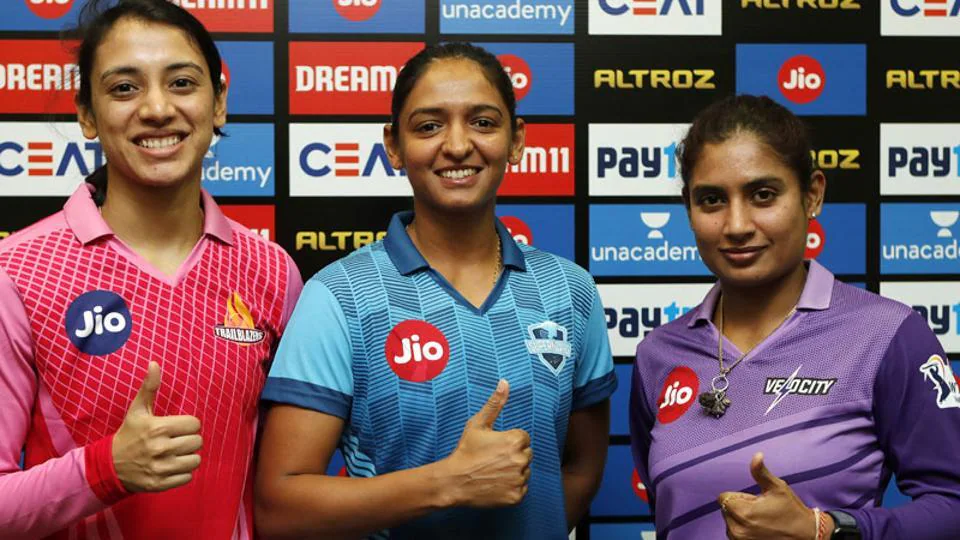
Exploring the Women's IPL: A Game Changer for Women's Cricket
The launch of the Women’s Indian Premier League (WIPL) has transformed the landscape of women’s cricket in India, accelerating visibility, investment, and professional opportunities. Since its inception, the league has offered a platform where elite talent meets passionate audiences, creating a new mainstream narrative around women’s sport.
More than a competition, the WIPL represents a structural shift: franchises bring resources, coaching, marketing, and international exposure, elevating players’ skills and public profiles. Domestic athletes now see clear career pathways, with contracts, sponsorships, and media coverage that were previously scarce. Young girls watching stars on televised matches can envision themselves pursuing cricket as a viable profession.
Visibility and Media
Mainstream broadcast deals and extensive social media campaigns have brought women’s cricket into living rooms across India. Commentators and analysts increasingly highlight tactical nuances, while player narratives —from grassroots struggles to international triumphs—have humanized the sport, fostering emotional investment from fans. The visibility boost has encouraged brands to associate with teams, creating commercial momentum that feeds back into development.
Opportunities for Players
For players, the WIPL has expanded training standards, medical support, and performance analytics. Exposure to international teammates and opponents accelerates learning, while franchise structures mean that athletes can specialize and plan long-term. Greater remuneration reduces financial barriers, allowing women from diverse backgrounds to commit fully to the game. This professionalization also benefits national teams, which draw from a deeper, more battle-tested talent pool.
Youth Development and Grassroots
The league’s ripple effects extend into schools and local academies. With visible role models, participation rates among girls have begun to climb. State boards and private academies leverage WIPL resources to organize camps, scouting programs, and talent pathways. Such initiatives ensure that interest translates into skill development, widening the base from which elite players emerge.
Cultural Impact
Beyond economics and performance, the WIPL challenges gender stereotypes. Seeing women celebrated for athletic excellence shifts perceptions about physicality and leadership. Media stories that feature coaching decisions, captains’ strategies, and rivalries help normalize competitive ambition among female athletes. Families that once hesitated to support girls in sport are increasingly proud to see them pursue cricket at the highest levels.
Challenges and Next Steps
Despite progress, challenges remain. Scheduling pressures must be managed alongside international calendars to protect player welfare. Investment should be sustained, not concentrated only in marquee teams. Broad-based development requires continued support for grassroots coaches, facilities, and domestic competitions. Broadcast strategies need to balance prime time visibility with accessible streaming to reach varied audiences.
Global Influence
The WIPL also elevates India’s role in the global women’s cricket conversation. International players bring techniques, while Indian stars gain experience that strengthens national performances. The exchange enhances bilateral series, tournament quality, and the global fanbase, positioning India as a hub for elite women’s cricket events.
Sponsorships and brand partnerships amplify player stories, making endorsements and commercial campaigns viable career avenues. As clubs invest in youth academies and community outreach, a virtuous circle forms: better facilities attract talent, success breeds interest, and increased viewership draws more investment back into the game.
The Women’s IPL is more than a tournament; it is an engine for change, reshaping opportunities and perceptions. Continued collaboration among administrators, broadcasters, sponsors, and communities will determine how deeply these changes embed into the sporting ecosystem. When young players see sustained pathways, role models, and respect, cricket becomes not just a pastime but a profession and a platform for empowerment, one season at a time. The visibility and professional infrastructure created by the WIPL promise a future where talent is recognized, ambition rewarded, and women’s cricket in India thrives. The movement has only just begun nationwide now.