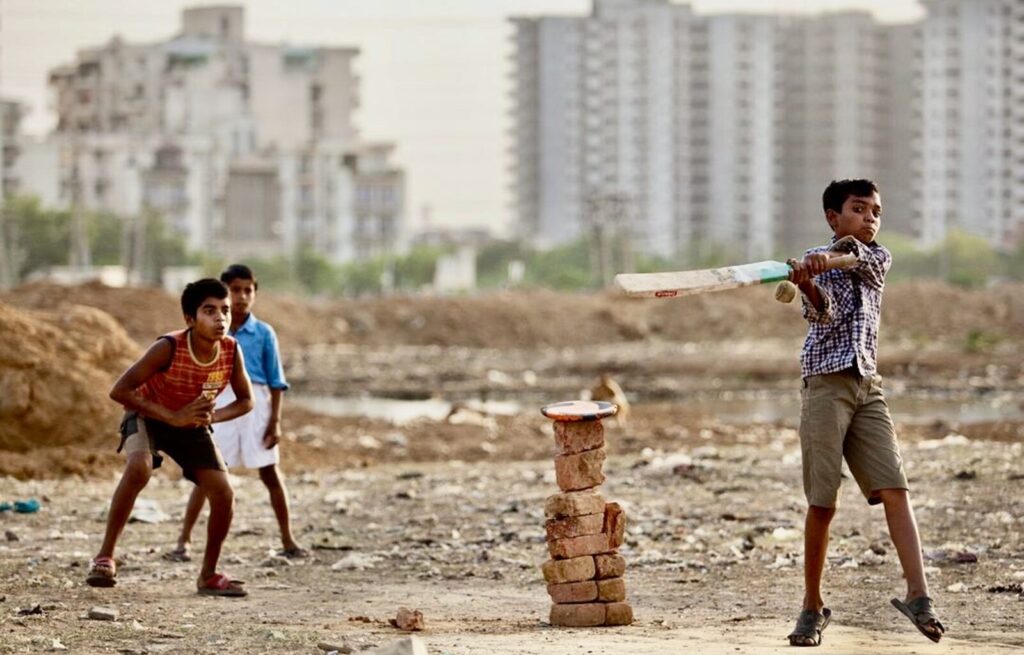
Cricket in Rural India: The Grassroots Movement
Across vast stretches of India’s countryside, cricket is more than a sport; it’s a language of aspiration and community bonding. In villages and small towns, dusty fields, banyan-shaded courtyards and improvised nets host daily matches that shape the dreams of children and the rhythms of local life.
Infrastructure and Access
Rural cricket thrives on improvisation. Lacking manicured grounds, players use packed earth, abandoned plots and schoolyards to practice. Local volunteers and former players often build makeshift pitches from clay and marksman the boundaries with stones or chalk. NGOs and state schemes have begun to supply basic equipment, portable nets and coaching kits, while corporate social responsibility initiatives fund small stadium refurbishments. These investments reduce barriers for girls and boys who previously had to travel long distances to access training, allowing more consistent practice and better skill development.
Coaching and Talent Identification
Community-driven coaching is the backbone of talent discovery. Talented villagers are trained by itinerant coaches or retired professionals who visit weekly, running drills, mentoring young bowlers and refining batting techniques. Schools organize inter-village tournaments that double as scouting grounds. District-level scouts attend these events to spot raw talent whose technical polish may be modest but whose temperament and athleticism stand out. Mobile coaching camps during off-season months make expert training accessible, and digital platforms now allow coaches to review video clips sent by local organizers, creating pathways to academies in nearby cities.
Local Tournaments and Community Support
Festivals and harvest celebrations often incorporate cricket tournaments that draw crowds, local businesses and village councils as sponsors. Such events not only finance equipment and travel but also elevate players to local celebrity status. Community patronage means promising youngsters receive meals, equipment and sometimes lodging for city trials. This grassroots patronage reinforces a supportive ecosystem where sporting success is shared, and families invest time and hope in a child’s development as a cricketer.
Stories of Emerging Stars
Recent seasons have produced several noteworthy players who began in small villages and advanced to state and national junior squads. Many share narratives of practicing with taped tennis balls and improvised bats until talent brought them notice. Their journeys underline qualities often nurtured in rural setups: resilience, inventive technique adapted to uneven pitches, and fierce competitive spirit honed against adults. These attributes have helped some young talents fast-track through academies and into competitive age-group teams.
Challenges and Opportunities
Despite progress, challenges persist. Limited access to high-quality fitness training, nutrition and sports science can hamper physical development. Gender barriers remain significant in conservative pockets, making sustained efforts to encourage girls crucial. However, technology and increasing investment offer solutions. Live-streamed local matches attract attention from selectors and sponsors, while scholarships and talent hunts create structured routes to professional training. Partnerships between urban clubs and rural academies help bridge gaps and create mentorship opportunities.
As the landscape of Indian cricket evolves, rural areas are becoming indispensable talent pools. The combination of community passion, targeted investment and evolving scouting practices is reshaping opportunities for young players who once lacked visibility. For a nation where cricket captures the imagination of millions, nurturing these grassroots movements ensures a broader, more diverse pipeline of talent and keeps alive the belief that a child with a taped bat in a dusty lane can one day stand on a major stadium pitch. Local role models who return to their communities to mentor younger players amplify impact, and coordinated policies that prioritize sports as a part of rural development will multiply successes. When rural talent is given consistent support, the whole cricketing ecosystem benefits with richer competition and stronger national teams and global recognition.