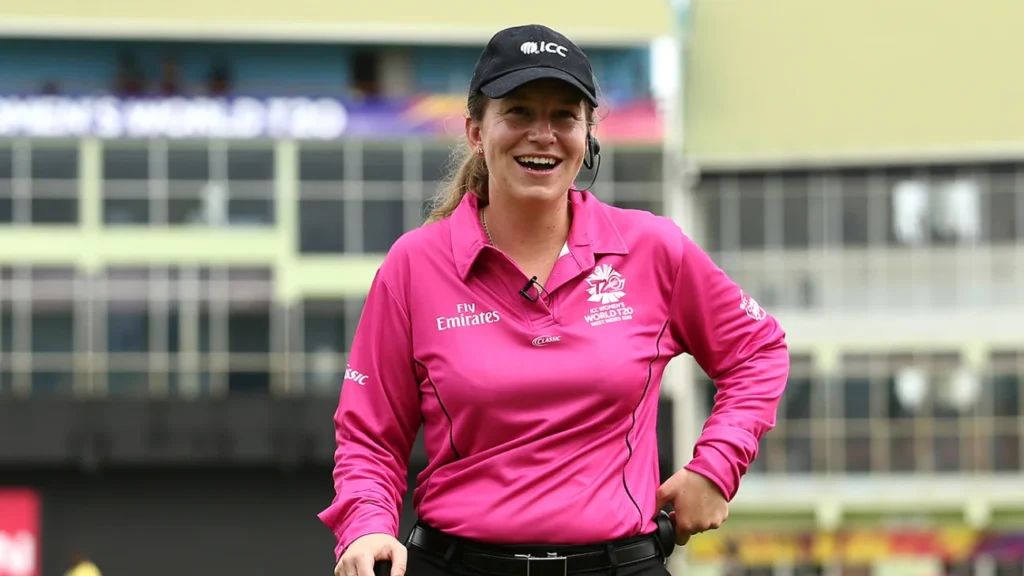
The Role of Women Umpires in Cricket
Cricket is experiencing a significant transformation as more women step into umpiring roles at all levels of the sport. Their growing presence is reshaping perceptions, improving standards, and inspiring a new generation of officials. Beyond symbolic representation, female umpires bring expertise, composure, and unique perspectives that strengthen the integrity of the game.
Breaking Barriers and Building Visibility
Visibility matters. When women officiate high-profile matches, they normalize female authority within cricket. Televised panels and stadium announcements introduce audiences to competent role models who challenge outdated gender stereotypes. The presence of women umpires at domestic, international, and franchise competitions demonstrates that merit and skill determine appointments.
Technical Excellence and Game Management
Umpiring demands concentration, knowledge of complex regulations, and excellent decision-making under pressure. Women umpires have repeatedly proven their ability to perform in these areas, applying strict interpretation of the laws and consistent standards across matches. Advances in technology, such as DRS and pitch sensors, require umpires to understand data and collaborate effectively with third umpires. Female officials bring meticulous preparation and calm communication styles that help manage players and diffuse tense moments, contributing to fairer, more smoothly run contests.
Pathways, Training and Mentorship
Structures to support women entering umpiring have expanded. Cricket boards, umpiring associations, and grassroots programs now offer targeted recruitment, accessible certification courses, and mentorship schemes pairing aspiring officials with seasoned umpires. Scholarships and flexible scheduling address practical barriers, while exchange programs enable international exposure. Mentorship accelerates learning by providing feedback on positioning, signal clarity, and match temperament. When institutions invest in equitable pathways, talent emerges faster and selection processes become more inclusive.
Challenges Remain but Progress is Evident
Despite progress, obstacles persist. Biases in hiring, unequal access to assignments, and limited media attention still slow momentum. Women may face scrutiny over competence in ways that their male counterparts do not, and balancing family responsibilities can complicate travel-heavy schedules. Addressing these issues requires transparent selection criteria, active monitoring of appointments, and public recognition of excellence. Progress has accelerated in recent years, yet sustained commitment from governing bodies, sponsors, and broadcasters will determine how quickly parity is achieved.
Representation on the field influences pathways off it; young girls who see women umpire professional matches begin to imagine similar futures. High-profile appointments, including women officiating in men’s international fixtures, send a powerful message that skill transcends gender. Media coverage that highlights competence and expertise rather than tokenism helps reshape public opinion and encourages more women to pursue officiating careers. Federations that celebrate achievements and provide visible examples accelerate cultural change within clubs and academies.
Beyond representation, the technical and interpersonal strengths of women umpires enhance the quality of matches. Their emphasis on clear communication reduces misunderstandings and maintains player discipline, while diligent adherence to protocols fosters trust among teams and spectators. Diverse officiating panels introduce varied decision-making heuristics that can reduce collective bias and improve fairness. As women become regular fixtures in elite umpiring ranks, their success validates investments in scouting, education, and career pathways, signaling to stakeholders that diverse officiating corps are an asset rather than a novelty.
The momentum behind women umpires is not just a win for gender equity; it strengthens cricket by expanding the pool of talent and improving standards of officiating worldwide. When administrators, clubs, broadcasters and fans recognize and reward excellence without prejudice, the sport benefits from a richer, fairer competitive environment. Continued visibility, mentorship and investment will make umpiring a viable, respected career path for more women, ensuring future generations inherit a game where decisions are trusted and opportunities are open to anyone with the dedication to master the craft and lead with confidence.