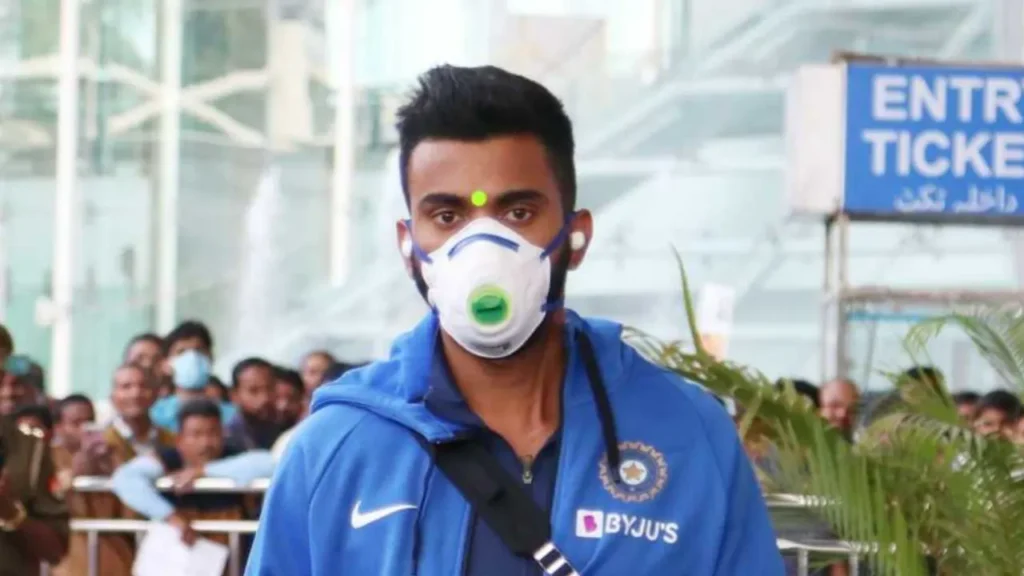
The Impact of COVID-19 on Cricket in India
The COVID-19 pandemic reshaped almost every aspect of life in India, and cricket — the country’s most beloved sport — was no exception. From sudden schedule upheavals to altered player dynamics and radically different fan experiences, the sport navigated an unprecedented stretch of uncertainty. This article examines how the pandemic affected match calendars, on-field performance, and the ways supporters engaged with the game.
Disrupted Schedules and Tournament Challenges
When the pandemic hit, international tours were postponed and domestic competitions were delayed or restructured to limit travel and exposure. Major events such as bilateral series and the Ranji Trophy faced calendar congestion as boards attempted to reschedule fixtures in tighter windows. The Indian Premier League (IPL), a major economic and cultural fixture, was moved, shortened, or hosted in neutral venues depending on the public health situation, creating logistical nightmares for teams, broadcasters, and support staff.
Bio-secure bubbles became the norm: squads trained, lived, and played within restricted environments to prevent outbreaks. While these protocols allowed cricket to continue, they added layers of complexity — testing regimes, quarantine periods for incoming players, and sudden postponements when positive tests appeared. The resulting backlog forced cricket authorities to prioritize certain tournaments, sometimes at the expense of lesser-known domestic competitions and player development pathways.
Player Performance, Conditioning and Mental Health
Extended breaks, disrupted training routines, and the stress of strict bio-bubble life impacted player performance in multiple ways. Some athletes returned refreshed and injury-free, benefiting from rest after packed schedules in pre-pandemic seasons. Others struggled with match fitness, timing, and the psychological load of competing under constant testing and isolation.
Cricket is a game of rhythm, and long interruptions contributed to inconsistent displays, especially among bowlers and batsmen who rely on regular match practice. The mental health toll was significant: players reported fatigue, anxiety, and a sense of isolation due to prolonged separation from families. At the same time, younger players or those on the fringes found opportunities to break into squads when senior players withdrew or when boards experimented with fresh talent to cope with congested fixtures.
Fan Engagement: From Packed Stadiums to Digital Immersion
One of the most visible changes was the absence of packed stadiums. Empty stands, artificial crowd noise, and virtual fan walls became symbols of a sport performed to the screens rather than the terraces. While this diminished the live atmosphere, it accelerated innovations in broadcast presentation and digital engagement. Broadcasters enhanced camera work, graphics, and storytelling to keep home viewers invested, while social media and fantasy platforms boomed as fans sought new ways to connect.
Clubs and boards ramped up digital content — behind-the-scenes interviews, interactive polls, and virtual meet-and-greets — to sustain loyalty. For many fans, especially those who previously lacked easy access to matches due to geography or cost, increased streaming options provided broader access. Conversely, local vendors, stadium staff, and small businesses that relied on matchday income faced severe economic disruption.
Economic Impacts and the Grassroots Picture
Financial strain affected boards, franchises, and sponsors. Lost gate receipts, renegotiated broadcast deals, and shifting sponsor priorities forced tighter budgets. Yet the economic story was mixed: some leagues and broadcasters reported surging TV and streaming revenues, offsetting the absence of live crowds. At the grassroots level, however, youth academies and community programs saw reduced funding and fewer competitions, which may have long-term consequences for talent pipelines.
To mitigate losses, cricket administrators invested in remote coaching, virtual talent ID programs, and selective regional tournaments when safe to do so. These stopgap measures aimed to preserve pathways for emerging cricketers but could not fully replace on-field match experience and regular competition exposure.
Ultimately, COVID-19 forced Indian cricket to become more adaptive and digitally savvy while exposing vulnerabilities in scheduling, player welfare, and economic resilience. The sport’s ability to recover will depend on thoughtful scheduling, sustained investment in player support systems, and continued innovation in fan engagement — ensuring that cricket remains both financially viable and emotionally resonant for an audience eager to return to packed grounds.