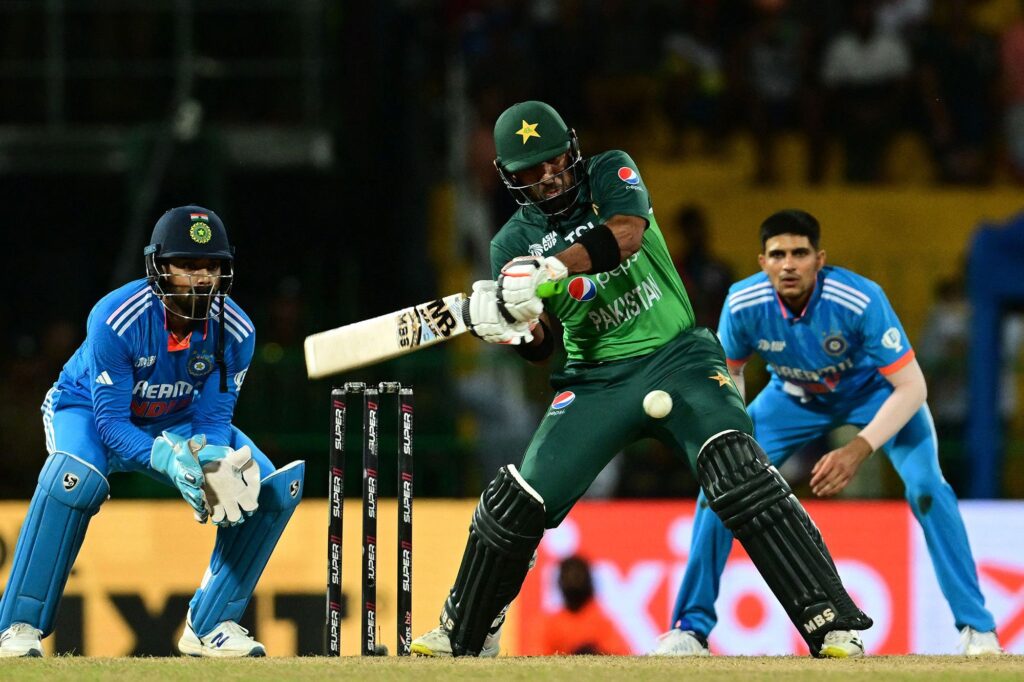
The Rivalry Between India and Pakistan: A Cricketing Legacy
Few sporting rivalries carry the emotional weight and historical resonance of the cricketing contests between India and Pakistan. What began as a competition between neighboring teams has grown into a cultural phenomenon that transcends sport. Fans treat each match not merely as a game but as an event that carries memories, identity, and sometimes political overtones. The roar of the crowd, the reverence for legendary players, and the tensions that surface on and off the field make India-Pakistan encounters unlike almost any other fixture in international cricket.
A rivalry born from history
The partition of British India in 1947 established two separate nations with shared histories, languages, and familial ties. Cricket, introduced during colonial times, became a common thread that evolved into a channel for expressing national pride. Early contests were infrequent, shaped by diplomatic relations and the changing formats of international cricket. Yet each encounter was laden with anticipation; players wore the hopes of entire countries and the media amplified each ball as if it carried historical significance.
Defining moments on the pitch
Over decades, several matches have become part of cricketing folklore: tense World Cup group stage clashes, high-stakes knockout games, and Test matches where pressure revealed character and resilience. Iconic performances — match-winning hundreds, clutch bowling spells, or moments of sportsmanship — have become touchstones for fans and historians alike. These moments not only shaped team narratives but also elevated individual heroes who later became ambassadors of the sport in their respective countries.
Fan culture and the spectacle
Fans are central to the rivalry’s intensity. Stadiums hosting India-Pakistan games come alive with hypnotic chants, colorful banners, and a sea of flags. The emotion in the stands often mirrors complex social dynamics: families divided by background gather around screens, expatriate communities relive homeland connections, and entire cities pause for the duration of a match. The rivalry can unite and divide in equal measure, offering a mirror to how sport intersects with identity and belonging.
Beyond the boundary: diplomacy and dialogue
Cricket has occasionally served as a bridge when diplomatic channels were strained. ‘Cricket diplomacy’ — visits by teams, bilateral series, and symbolic gestures — has opened avenues for dialogue and softer exchanges. Sporting interactions do not erase underlying tensions, but they create opportunities for shared experiences and humanize the ‘other’ at a grassroots level. Such moments demonstrate sport’s potential as a tool for connection, even when broader political relations are fraught.
Players under pressure
For athletes, representing India or Pakistan in this rivalry means managing extraordinary scrutiny. Media scrutiny, social media reactions, and the expectations of millions can amplify success into national celebration and mistakes into harsh criticism. Many players have spoken about the mental toll of these fixtures and the extra focus from opponents. Yet the rivalry has also produced careers defined by courage and grace under pressure — cricketers who rose above external noise to deliver performances that became part of the rivalry’s rich tapestry.
Technology, broadcasting, and globalization
The advent of satellite television, social platforms, and streaming services expanded the rivalry’s reach. Matches are now watched across continents by diverse audiences, and commentators frame each moment within historical and cultural contexts that deepen engagement. Technology has heightened fan interaction and created new forums for debate, celebration, and critique, while also fostering a global community of supporters who share reverence for the sport and its narratives.
Ultimately, the rivalry between India and Pakistan remains a powerful illustration of cricket’s capacity to evoke passion beyond the scoreboard. It connects history with present-day identities, produces athletes whose feats inspire generations, and offers a stage where sport and society intersect in complex ways. The matches will continue to be more than contests; they will be chapters in a shared, evolving story where every inning, wicket, and catch contributes to a legacy that resonates far beyond the boundary ropes.